
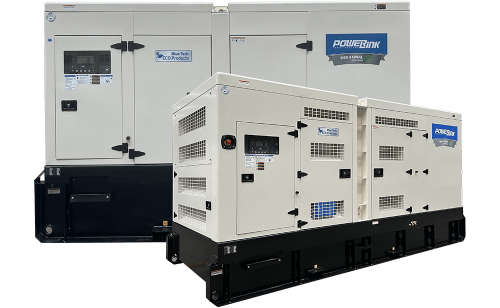
As businesses and organizations become increasingly dependent on uninterrupted electricity, emergency preparedness has become a critical part of operational planning. Unexpected events such as severe weather, grid failures, equipment malfunctions, and natural disasters can disrupt power supplies without warning. Without a reliable backup solution, these interruptions can impact productivity, damage equipment, and affect essential services.
To reduce these risks, organizations invest in environmentally friendly generators systems that help maintain operations during emergencies. Reliable backup power plays a vital role in ensuring business continuity and supporting critical infrastructure when utility power is unavailable.
Why Emergency Preparedness Requires Reliable Power
Emergency situations often create conditions where access to electricity becomes uncertain. For industries that rely on continuous operations, even a short power outage can lead to significant operational and financial consequences.
Healthcare facilities need electricity for medical equipment, data centers require constant power to protect digital assets, and manufacturing plants depend on energy to keep production processes running. Reliable backup power systems help organizations prepare for these challenges by ensuring access to electricity when it is needed most.
Benefits of Generator Systems During Emergencies
Modern generator technologies provide several advantages that support emergency preparedness strategies.
Business Continuity
Backup power systems help organizations continue operating during unexpected outages and emergency situations.
Protection of Critical Infrastructure
Reliable electricity helps safeguard essential equipment, communication systems, and operational processes.
Enhanced Operational Resilience
Organizations can respond more effectively to emergencies when dependable backup power is available.
Support for Multiple Emergency Applications
Generator systems are commonly used in:
• Healthcare facilities
• Data centers
• Commercial buildings
• Telecommunications networks
• Manufacturing plants
• Public infrastructure projects
These applications highlight the importance of dependable Power Generation technologies in emergency planning.
Choosing the Right Emergency Power Solution
Selecting a generator system requires careful consideration of energy demand, operational requirements, environmental standards, and long-term reliability. Organizations should choose solutions that can deliver dependable performance under demanding conditions.
For businesses seeking advanced emergency power infrastructure, PowerLink Energy USA offers a range of solutions designed for industrial and commercial applications. These include environmentally friendly generators that provide reliable backup power while supporting sustainability goals. In addition, epa generators help organizations meet emissions regulations while delivering dependable performance during critical situations.
Conclusion
Emergency preparedness is no longer optional in today's business environment. Reliable backup power helps organizations protect essential operations, reduce downtime, and maintain productivity during unexpected disruptions.
Whether utilizing environmentally friendly generators to support sustainability initiatives or implementing epa generators to comply with environmental standards, businesses can strengthen their emergency preparedness strategies through dependable energy solutions. As energy reliability continues to be a priority, modern Power Generation technologies will remain an essential component of effective emergency planning.