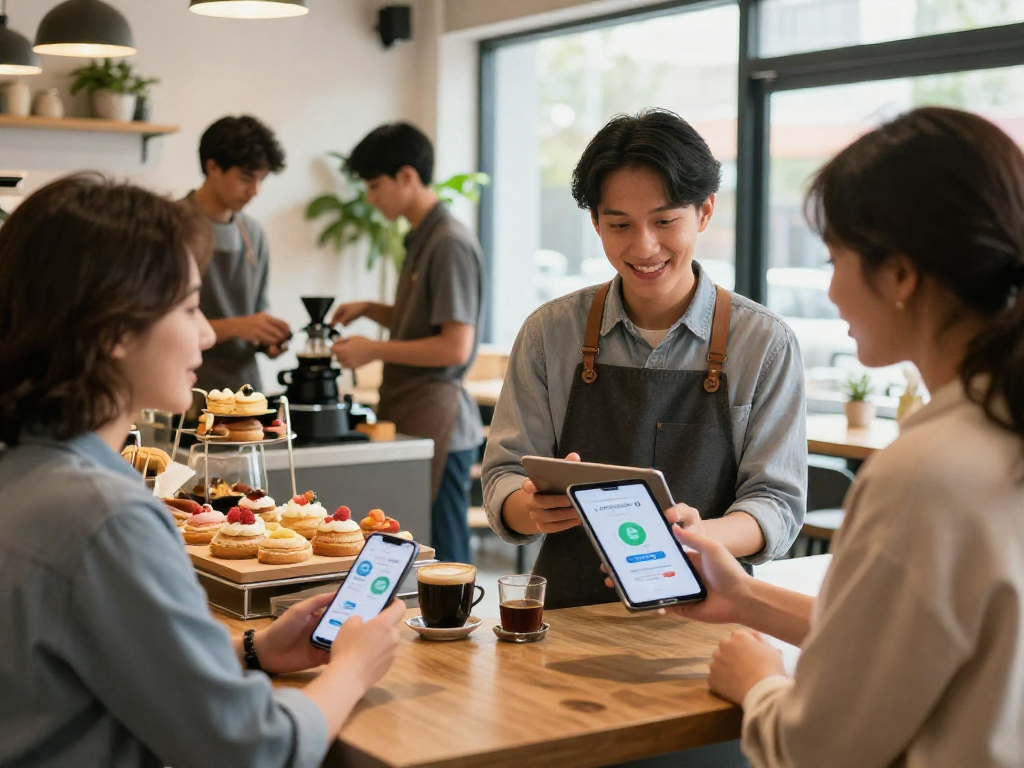
Understanding the Benefits of a Loyalty Application
In an increasingly competitive marketplace, small businesses are constantly seeking ways to differentiate themselves and foster customer loyalty. One effective strategy is implementing a loyalty application. These digital platforms serve as a modern alternative to traditional loyalty programs, allowing businesses to engage customers while collecting valuable data. One standout solution in this space is BonusQR, a robust loyalty application that simplifies the reward process through QR codes, requiring no point-of-sale (POS) system integration. When exploring options, loyalty application solutions like BonusQR can offer comprehensive insights tailored specifically for small businesses.
What is a loyalty application and how does it work?
A loyalty application is a digital tool designed to reward customers for their repeat business, enhancing customer retention and encouraging purchases. Typically, these apps function by allowing users to earn points, redeem discounts, or access exclusive offers based on their interactions with a business. The operation of a loyalty application can revolve around several components, including points accumulation for purchases, stamp cards for visits, and cashback rewards. Most importantly, they leverage technology—such as QR codes—to create seamless customer experiences, making it easy for customers to engage with the program via their smartphones.
Key benefits of using loyalty applications for small businesses
Implementing a loyalty application offers numerous advantages, particularly for small businesses aiming to maximize customer engagement:
- Increased Customer Engagement: By rewarding customers for their loyalty, businesses foster deeper connections and encourage repeat visits.
- Data Collection: Loyalty apps collect valuable data on customer preferences and behaviors, enabling businesses to tailor marketing strategies effectively.
- Cost-Effective Marketing: Automated promotional campaigns and notifications can be sent through the app, reducing the need for expensive marketing materials.
- Enhanced Customer Experience: Quick access to rewards, discounts, and program details improve the overall shopping experience, increasing customer satisfaction.
Types of rewards that can be integrated into loyalty programs
Small businesses can choose from a variety of reward structures to engage their customers. Key types of rewards include:
- Points System: Customers earn points for every purchase made, which can be redeemed for products or discounts.
- Stamp Cards: Customers receive a virtual stamp for every visit or purchase, leading to rewards after a certain number of stamps are collected.
- Cashback: A percentage of each purchase is returned to the customer as credit for future purchases, incentivizing higher spending.
- Exclusive Offers: Special discounts or offers for loyalty members enhance the perceived value of the loyalty program.
Choosing the Right Loyalty Application for Your Business
When selecting a loyalty application, small businesses should consider several factors to ensure they choose the best fit for their needs and goals. Analyzing features, usability, and cost will help ensure the selected platform aligns with the business's objectives and customer preferences.
Factors to consider when selecting a loyalty application
A few critical factors to consider include:
- User Interface: The application should be intuitive and easy to navigate for both customers and employees.
- Integration Capabilities: Look for options that can integrate seamlessly with existing systems you use, such as inventory management or CRM tools.
- Customization Options: A good loyalty application allows businesses to tailor the rewards program according to their brand identity and specific customer needs.
- Scalability: Choose a platform that can grow with your business, accommodating new features and updates as needed.
Comparison of different loyalty application platforms
Not all loyalty applications are created equal. Platforms can vary significantly in terms of features, pricing models, and user experience. When comparing different options:
- Evaluate Features: Consider functionality such as automation, data analytics, custom reward options, and customer engagement tools.
- Review Pricing Structure: Look for transparency in pricing, including any hidden fees or costs for additional features.
- Seek Customer Reviews: Insights from other businesses can provide valuable information on the effectiveness and reliability of the platform.
How to customize a loyalty application to fit your brand
Customization is key to ensuring that a loyalty application resonates with your target audience. Here are strategies for tailoring the app:
- Branding: Incorporate your logo, colors, and overall brand aesthetic into the app's design.
- Personalized Rewards: Offer rewards that reflect the interests and preferences of your customer base, creating a more meaningful experience.
- Engagement Strategies: Implement features like push notifications and personalized messages to enhance customer interactions and increase program participation.
Implementing a Successful Loyalty Program
Launching a loyalty program requires careful planning and execution to ensure its success. A structured approach can help maximize engagement and retention rates.
Step-by-step guide to launching your loyalty program
Follow these steps to set up a successful loyalty program:
- Define Your Objectives: Determine what you hope to achieve with your loyalty program, such as increased repeat purchases or improved customer retention.
- Select the Right Platform: Based on your research, choose a loyalty application that meets the specific needs of your business.
- Design the Reward Structure: Decide how customers will earn and redeem rewards, ensuring it aligns with your overall business goals.
- Promote the Program: Create marketing materials and campaigns to inform customers about the new program, highlighting the benefits of participation.
- Monitor and Adjust: Regularly assess your program’s performance and make necessary adjustments based on customer feedback and engagement metrics.
Common mistakes to avoid when setting up a loyalty program
To ensure a successful loyalty program, be wary of the following pitfalls:
- Overly Complicated Structures: Simplify the process of earning and redeeming rewards to enhance user experience.
- Lack of Communication: Keep customers informed about their progress, rewards, and any changes to the program.
- Ignoring Customer Feedback: Regularly solicit and act on feedback to improve and evolve your loyalty program.
Marketing strategies to promote your loyalty application
Effective marketing is key to driving participation in your loyalty program. Consider these strategies:
- Social Media Campaigns: Leverage social media platforms to advertise your loyalty program and engage with customers directly.
- Email Newsletters: Use email marketing to inform customers about the loyalty program, exclusive offers, and personalized rewards.
- In-Store Promotion: Train staff to promote the loyalty app to customers during their visits to encourage sign-ups and participation.
Analyzing Your Loyalty Program's Performance
To gauge the effectiveness of your loyalty program, it's essential to track performance metrics and gather customer feedback.
Key metrics to measure the success of your loyalty application
Monitor these metrics to assess your loyalty program's performance:
- Redemption Rate: Analyze the percentage of earned rewards that customers redeem to determine engagement levels.
- Customer Retention Rate: Measure how many customers return after participating in the loyalty program compared to those who do not.
- Average Order Value: Track whether the loyalty program leads to an increase in the average amount spent per transaction.
Tools and analytics for effective loyalty program management
Many loyalty applications come with built-in analytics tools that facilitate performance tracking. Utilize these features to:
- Access real-time data on customer engagement, reward redemptions, and program metrics.
- Generate reports to identify trends and areas for improvement within your loyalty program.
- Benchmark performance against industry standards to gauge your program's effectiveness.
How to gather customer feedback for continuous improvement
Regularly collecting customer feedback will help you refine your loyalty program. Consider these methods:
- Surveys: Conduct surveys to gather insights on customer experiences and preferences regarding the loyalty program.
- In-App Feedback: Include options within the app for customers to provide feedback directly after redeeming rewards or interacting with the platform.
- Focus Groups: Organize focus groups to discuss the loyalty program and gather detailed insights on customer expectations and preferences.
The Future of Loyalty Applications in 2026 and Beyond
The landscape of loyalty applications is continuously evolving. As technology advances, so too will the capabilities of loyalty programs tailored for small businesses.
Emerging trends in loyalty applications for small businesses
In the coming years, expect to see an increase in:
- Gamification: Integrating gamified elements to make the loyalty program more engaging and interactive for customers.
- AI-Driven Personalization: Leveraging artificial intelligence to offer personalized rewards based on individual customer preferences and behaviors.
- Sustainability Initiatives: Programs that reward eco-friendly behavior or contributions to social causes will likely gain popularity.
How technology will shape loyalty programs in the next few years
Technological advancements will continue to transform loyalty applications, with potential developments including:
- Blockchain Technology: Enhancing transparency and security in reward tracking and transactions.
- Augmented Reality: Creating immersive experiences that enhance how customers engage with loyalty programs.
- Seamless Integration: The ability for loyalty applications to integrate with a broader range of business tools and platforms for comprehensive management.
Expert insights on maximizing customer engagement through loyalty
Industry experts suggest focusing on creating meaningful interactions to maximize customer engagement. Key strategies include:
- Personal Touch: Tailor communications and rewards to individual customer profiles to enhance the feeling of personal connection.
- Consistency: Ensure that the loyalty program is consistently promoted and integrated across all customer interactions.
- Flexibility: Allow customers to choose how they earn and redeem rewards, making the program more appealing to a broader audience.
What types of businesses benefit most from loyalty applications?
While loyalty applications can benefit a wide range of industries, businesses in the retail, hospitality, and food service sectors particularly thrive with these programs. The ability to establish long-term relationships with customers through rewards and personalized experiences drives repeat business.
How can I promote my loyalty application effectively?
A combination of online and offline marketing strategies can effectively promote your loyalty application. Consider utilizing social media, email campaigns, and in-store promotions to reach existing and potential customers.
What are the costs associated with implementing a loyalty program?
Costs can vary widely depending on the chosen platform and features. Some loyalty applications may charge a monthly subscription, while others employ a per-transaction fee structure. Always assess the potential return on investment to ensure the program is financially viable.
How can I measure customer satisfaction regarding the loyalty program?
Utilize surveys, feedback forms, and engagement metrics to gauge customer satisfaction. Examining redemption rates and participation levels will also provide insights into how well the program is perceived by customers.
What unique features should I look for in a loyalty application?
When selecting a loyalty application, prioritize features that allow for customization, effective data analytics, seamless integration, and user-friendly experiences to maximize customer engagement and retention.. Additionally, loyalty application provides further details.