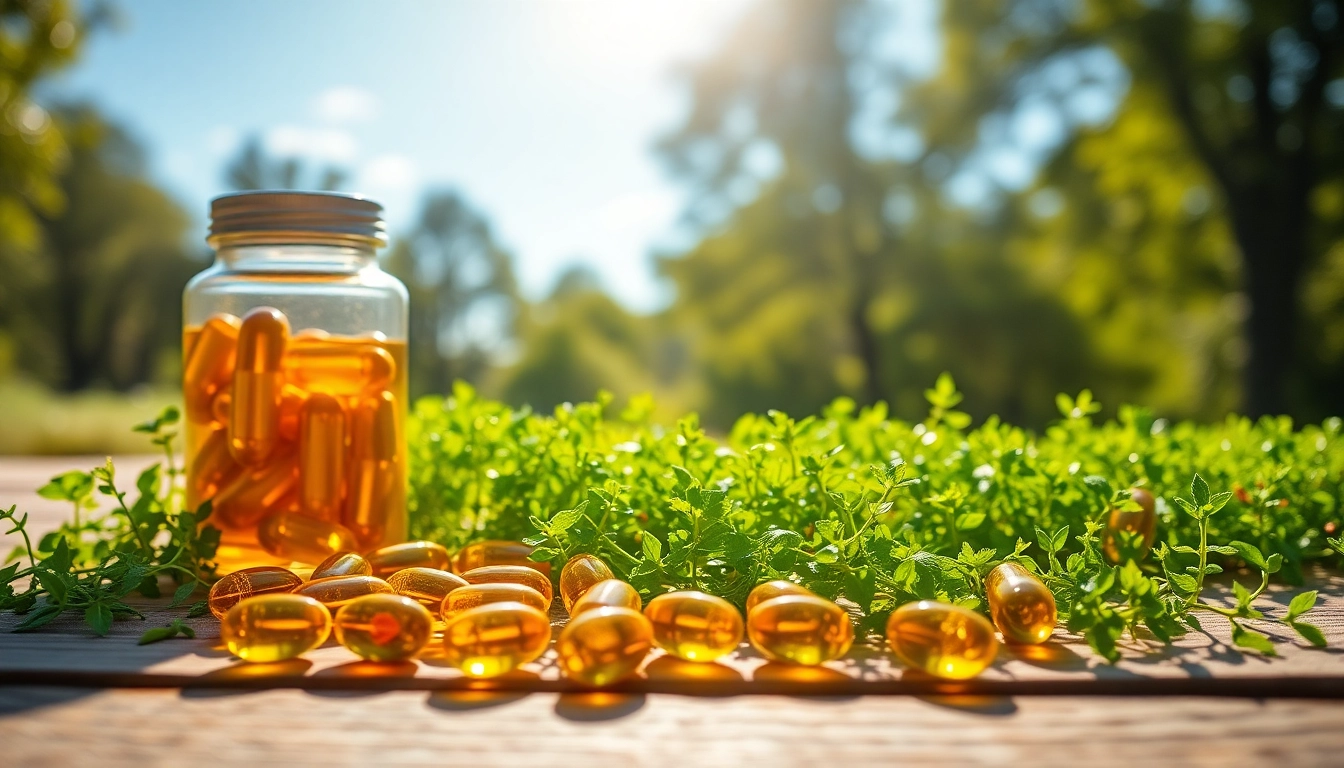
Understanding Microalgae Astaxanthin Supplement
As health consciousness continues to surge globally, natural supplements like the microalgae astaxanthin supplement have garnered significant attention. This powerhouse ingredient is derived from microalgae and is renowned for its potential health benefits. Understanding the science behind astaxanthin not only demystifies its advantages but also helps individuals make informed choices regarding its incorporation into their daily diet.
What is Astaxanthin?
Astaxanthin is a carotenoid, a naturally occurring pigment responsible for the red, orange, or pink coloration of certain marine life, including shrimp, krill, and salmon. However, astaxanthin is more than just a vibrant colorant; it is gaining recognition in nutritional supplement formulations due to its unique health-promoting properties. Specifically sourced from microalgae, this powerful antioxidant is believed to deliver a range of benefits that support overall wellness.
Benefits of Microalgae
Microalgae are among the earliest life forms on Earth, forming the base of the aquatic food chain. Beyond being a critical source of food for aquatic animals, microalgae are rich in essential nutrients. They are an excellent source of proteins, essential fatty acids, vitamins, and minerals. Due to their high nutrient density and environmental sustainability, microalgae are increasingly utilized as functional food ingredients. The cultivation of microalgae is considered environmentally friendly, as it requires less land and water compared to conventional crops.
How Astaxanthin Works in the Body
Astaxanthin's mechanism of action is primarily attributed to its ability to combat oxidative stress. When introduced into the body, astaxanthin integrates into cellular membranes, protecting cells from oxidative damage caused by free radicals. Unlike many other antioxidants, astaxanthin does not become a pro-oxidant itself, making it uniquely effective. This protective function not only supports cellular health but is also crucial for maintaining optimal organ function and overall vitality.
Health Benefits of Microalgae Astaxanthin Supplement
The health benefits tied to the consumption of microalgae astaxanthin supplements have led to increased research and anecdotal evidence supporting its use for several health conditions. Individuals who incorporate astaxanthin into their wellness regimen report various positive effects.
Anti-Inflammatory Properties
One of the standout benefits of astaxanthin is its anti-inflammatory properties. Research suggests that astaxanthin can help reduce inflammation in the body, which is often the root cause of chronic diseases. By inhibiting certain inflammatory cytokines and enzymes, astaxanthin may provide relief for conditions such as arthritis and joint pain. Regular consumption of microalgae astaxanthin supplements can contribute positively to joint health, aiding mobility and overall comfort.
Antioxidant Advantages
Astaxanthin is hailed for its powerful antioxidant capacity. Research indicates that astaxanthin is several hundred times more effective than vitamin E in neutralizing free radicals. This potent antioxidant activity can help reduce oxidative stress and enhance overall health by mitigating the damage caused by harmful molecules. By protecting against cellular damage, astaxanthin supports longevity and maintains skin health, reducing the signs of aging.
Supporting Eye Health
Eye health is another crucial area where astaxanthin shines. Studies have shown that astaxanthin can help protect the eyes from oxidative stress and inflammation caused by blue light exposure and UV rays. It supports the health of the retina and may improve visual acuity. Individuals suffering from conditions such as macular degeneration and fatigue from prolonged screen time may experience relief through the anti-inflammatory and antioxidant properties of astaxanthin.
Choosing the Right Microalgae Astaxanthin Supplement
As the market for supplements continues to expand, selecting the right microalgae astaxanthin product can be overwhelming. Understanding various formulations, dosage recommendations, and quality sourcing can help individuals make informed decisions.
Formulations Available
Microalgae astaxanthin supplements come in various forms, including capsules, soft gels, powders, and liquid formats. Each formulation has its own advantages. For example, capsules are often convenient for on-the-go use, while powders can be easily incorporated into smoothies or baked goods. It’s essential to choose a formulation that aligns with personal preferences and lifestyle.
Dosage Recommendations
Determining the optimal dosage of microalgae astaxanthin can depend on individual health goals and requirements. Common recommendations range from 4 to 12 mg per day. However, consulting with healthcare professionals for personalized advice can ensure safe and effective usage. It's essential not to exceed the recommended dosage to prevent potential side effects.
Quality and Sourcing
When selecting a microalgae astaxanthin supplement, it’s imperative to consider quality and sourcing. Opt for products that provide transparency in their ingredient sourcing, manufacturing practices, and third-party testing. Certifications like non-GMO, organic, or sustainable sourcing can also indicate higher quality standards, promoting consumer confidence.
Integrating Microalgae Astaxanthin Supplement into Your Diet
Integrating a microalgae astaxanthin supplement into your daily routine can be a seamless process. Here’s how to effectively include it in your diet.
Food Pairings
Astaxanthin is fat-soluble, meaning that its absorption is enhanced when consumed with healthy fats. Pairing astaxanthin with avocado, olive oil, or fatty fish can maximize its bioavailability. Additionally, incorporating these nutritious fats along with other colorful fruits and vegetables can complement astaxanthin's benefits, elevating overall health support.
Tips for Consumption
To optimize the benefits of microalgae astaxanthin, consume the supplement consistently, ideally during meals. This encourages better absorption alongside dietary fats. Setting a daily reminder can help establish this routine. Various creative ways also exist to incorporate astaxanthin into meals, such as adding it to smoothies or homemade salad dressings.
Potential Side Effects to Watch For
While astaxanthin is generally regarded as safe for most individuals, some may experience mild side effects, including digestive upset or changes in skin color with excessive intake. Awareness of these potential side effects can help ensure safe usage. It is advisable for pregnant or nursing women, or those with specific medical conditions, to consult their healthcare provider before starting supplementation.
Frequently Asked Questions About Microalgae Astaxanthin Supplement
What is the best time to take astaxanthin?
The best time to take astaxanthin is with a meal, ideally containing healthy fats for better absorption.
Can astaxanthin cause side effects?
Astaxanthin is generally safe but can cause mild side effects such as digestive upset or skin pigmentation changes with high doses.
Is microalgae astaxanthin supplement safe for everyone?
While generally safe, individuals who are pregnant, breastfeeding, or have specific medical conditions should consult a healthcare provider before use.
How long does it take to see results?
Results may vary, but many users report noticeable benefits within 1–3 months of regular intake of microalgae astaxanthin supplements.
Can I find astaxanthin in foods?
Yes, astaxanthin is naturally present in certain foods, particularly in salmon, shrimp, krill, and some algae; however, supplementing may provide stronger benefits.