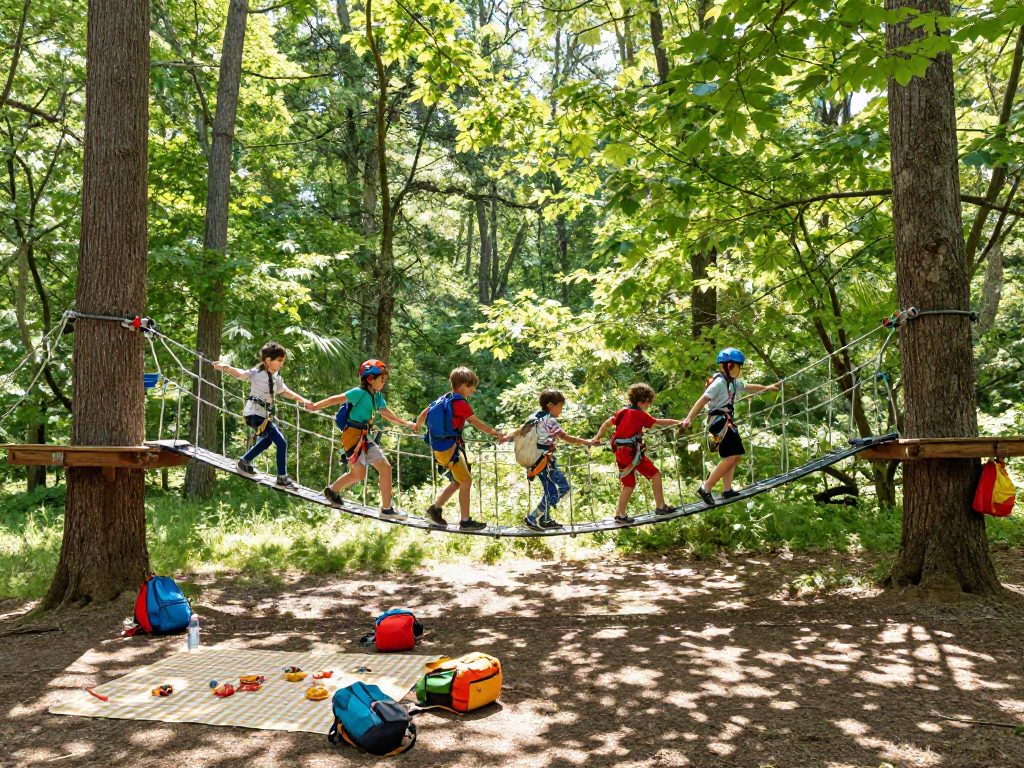
The Essentials of Rope Bridges: Understanding Their Use and Benefits
Rope bridges have long been a symbol of adventure and ingenuity, serving both practical functions and providing thrilling experiences. These unique structures are not just a means of crossing obstacles; they also enhance outdoor settings, particularly in children's play areas and adventure parks. This article delves into the various aspects of rope bridges, including their types, roles in outdoor experiences, and essential considerations for safety and construction. When exploring options, Rope Bridge kits offer innovative solutions for creating fun and safe crossings.
What is a Rope Bridge?
A rope bridge, typically constructed from cables and wooden planks, is a type of suspension bridge that relies on tension to hold its structure. These bridges can vary in design but generally consist of two or more anchor points, with ropes connecting them to form a pathway. Historically, rope bridges were used in remote regions for crossing rivers and ravines, but today they serve as popular installations in playgrounds and adventure parks, appealing to children and adults alike.
Types of Rope Bridges Available
Several types of rope bridges cater to different needs and environments:
- Simple Suspension Bridges: Characterised by a straightforward design, these bridges have no piers and rely solely on cables secured to the ends.
- Monkey Bridges: These are traditional designs from Southeast Asia, primarily used in rural areas to traverse water bodies.
- Treehouse Bridges: Often used in playgrounds, these bridges connect treehouses or platforms, fostering imaginative play.
- Two-Rope Bridges: These bridges employ two parallel ropes for support, allowing both balance and agility exercises.
- Zip-Line Bridges: A combination of zipline features and rope bridges, offering thrilling rides across distances.
How Rope Bridges Enhance Outdoor Experiences
Rope bridges significantly contribute to outdoor play and adventure activities by:
- Encouraging Physical Activity: Climbing, balancing, and crossing rope bridges promote physical fitness in a fun, engaging way.
- Enhancing Social Skills: Children learn teamwork and cooperation while navigating these structures together.
- Fostering Imagination: Rope bridges serve as imaginative play areas, allowing children to create stories and adventures, such as exploring jungles or crossing rivers.
Designing Safe and Fun Rope Bridges for Kids
Designing rope bridges for children requires careful consideration of safety, materials, and child-friendly features. Crafting a safe environment ensures that children can enjoy these adventurous structures while minimising risk.
Safety Standards for Rope Bridges
Compliance with safety standards is critical when designing rope bridges. In the UK, guidelines set by organisations such as the UK Play Safety Forum outline essential safety measures. Additionally, bridges should be regularly inspected for wear and tear to prevent accidents.
Choosing the Right Materials for Durability
When constructing a rope bridge, selecting durable materials is paramount. Common choices include:
- High-Strength Synthetic Ropes: These offer excellent tensile strength and resistance to weathering and UV exposure.
- Pressure-Treated Wood: For the platform and railings, pressure-treated wood can resist rot and decay.
- Metal Hardware: Using stainless steel or galvanised components ensures longevity and stability.
Design Considerations for Child-Friendly Rope Bridges
To create a child-friendly design, consider the following factors:
- Height: Maintain a safe, low height for accessibility while ensuring adequate clearance for safety.
- Width: Design them wide enough for children to walk comfortably without falling.
- Handrails: Incorporate sturdy handrails for added security and support.
Building Your Own Rope Bridge: A Step-by-Step Guide
For those interested in a hands-on approach, building your own rope bridge can be an exciting project. This section offers a detailed guide to facilitate the construction process.
Tools and Materials You'll Need
To build a rope bridge, gather the following tools and materials:
- High-strength synthetic rope (e.g., nylon or polyester)
- Wooden planks for the bridge surface
- Supporting posts (wood or metal)
- Carabiners and securing hardware
- Measuring tape and level
- Power drill and screws
Step-by-Step Construction Process
- Choose Location: Identify a suitable site with stable anchor points for your bridge.
- Install Support Posts: Securely install posts at both ends, ensuring they are anchored appropriately.
- String the Rope: Attach the rope from one post to the other, creating the framework.
- Add Planks: Lay the wooden planks across the rope, spacing them evenly to form the bridge surface.
- Install Handrails: If desired, add handrails to provide additional security for users.
Maintenance Tips for Longevity
Regular maintenance can extend the life of your rope bridge:
- Inspect ropes for fraying and integrity regularly.
- Check wooden planks for signs of rot or damage.
- Ensure all hardware remains secure and replace any worn components immediately.
Common Challenges and Misconceptions About Rope Bridges
Despite their popularity, rope bridges often face misconceptions and challenges that need to be addressed to ensure safe and enjoyable use.
Addressing Safety Concerns
One of the primary concerns surrounding rope bridges is safety. It is essential to educate children and parents about proper use and the importance of supervision while using these structures.
Understanding Weight Limits and Usage Guidelines
Another challenge is establishing appropriate weight limits. Clearly marked guidelines should be posted to inform users about weight capacity and appropriate use contexts.
Debunking Myths About Rope Bridge Strength
Many assume that rope bridges are inherently unsafe. However, when built and maintained according to established guidelines, they can be as safe as traditional bridges.
Future Trends in Outdoor Adventure: The Role of Rope Bridges
As outdoor play continues to evolve, rope bridges are likely to play an increasingly significant role in adventure parks and community spaces.
Emerging Designs and Technologies for 2026
Innovations in materials and design will bring about more resilient and versatile rope bridge concepts, allowing for greater integration into various environments.
Integrating Eco-Friendly Materials in Construction
There is a growing trend towards the use of sustainable materials in outdoor construction. Using recycled materials for the components of rope bridges could become standard practice.
The Growing Popularity of Rope Bridges in Playgrounds
The demand for multi-functional playground equipment means that rope bridges will become staples in design, providing unique play experiences that stimulate creativity and physical skills.
What is a rope bridge called?
In various contexts, a rope bridge may also be referred to as a suspension bridge or a monkey bridge, depending on its design and functionality.
How do you make a rope bridge?
Making a rope bridge involves selecting a suitable location, securing anchor points, stringing high-quality ropes, and attaching a stable walking surface. It is important to consult building guidelines to ensure safety.
What type of rope is best for a rope bridge?
For constructing a rope bridge, high-strength polyester three-strand rope is often recommended for its durability, moisture resistance, and aesthetic appeal.
Are rope bridges safe for kids?
Yes, rope bridges can be safe for children when constructed and maintained correctly, with regular inspections and adherence to safety guidelines.
Where can I buy rope bridges for my backyard?
Many retailers and online stores offer various rope bridge kits designed for residential use, particularly for gardens and play areas.