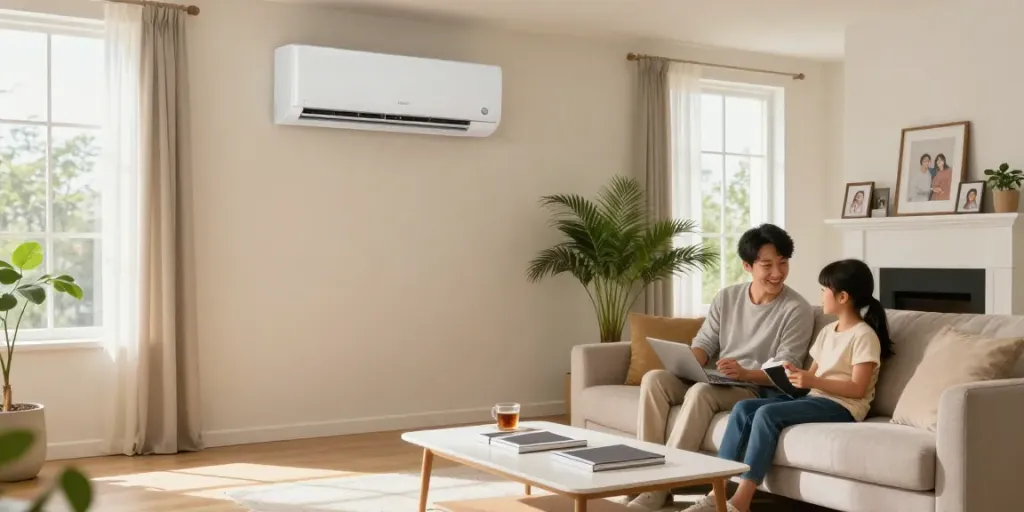
Understanding 12000 BTU Mini Split Systems
As the demand for efficient and flexible heating and cooling solutions continues to grow, the 12000 BTU mini split system has emerged as a popular choice for homeowners and businesses alike. These systems not only provide reliable temperature control but also enhance energy efficiency, making them ideal for a variety of settings. When exploring options, 12000 btu mini split systems stand out due to their versatility and effectiveness in managing indoor climates.
What is a 12000 BTU Mini Split System?
A 12000 BTU mini split system, often referred to as a ductless heat pump, is a heating and cooling system that operates without the need for ductwork. It consists of two primary components: an outdoor compressor unit and an indoor air-handling unit. The primary function of this system is to deliver conditioned air directly into the spaces where it is needed, making it a space-efficient solution for home heating and cooling.
Key Features and Benefits of 12000 BTU Mini Splits
- Energy Efficiency: Mini split systems are designed to consume less energy compared to traditional HVAC systems. The Seasonal Energy Efficiency Ratio (SEER) ratings for many models, including those with 12000 BTU, can range significantly, often exceeding 20.
- Zone Control: With a mini split, homeowners can customize the temperature in different rooms, allowing for improved comfort and reduced energy consumption in unoccupied spaces.
- Quiet Operation: The indoor units operate quietly, making them ideal for bedrooms or study areas, ensuring a peaceful environment.
- Easy Installation: Mini splits require minimal construction work during installation, which can be completed in a fraction of the time typically needed for ducted systems.
Common Applications and Ideal Room Sizes
The versatility of 12000 BTU mini split systems makes them suitable for a range of applications, including:
- Residential homes, particularly in bedrooms and small living areas.
- Commercial spaces such as offices and retail establishments.
- Workshops and garages that require climate control without extensive renovations.
Generally, a 12000 BTU mini split is effective for spaces up to 550 square feet, depending on factors such as ceiling height, insulation quality, and local climate.
Installation Process for 12000 BTU Mini Splits
Steps for Professional Installation
For optimal performance, many homeowners choose to have their mini splits professionally installed. The installation process typically includes the following steps:
- Site Assessment: Evaluate the space to determine the best locations for indoor and outdoor units.
- Mounting the Indoor Unit: Secure the indoor unit to the wall or ceiling, ensuring it is properly level.
- Installing the Outdoor Unit: Position the outdoor compressor on a stable surface away from obstructions.
- Piping and Wiring: Connect refrigerant lines, drainage, and electrical wiring between the units.
- Testing: Ensure the system operates properly and confirm that there are no leaks in the lines.
DIY Installation Considerations
While professional installation is recommended, some homeowners opt for a DIY approach. If you choose this route, consider the following:
- Familiarize yourself with local building codes and regulations.
- Ensure you have the necessary tools and materials before starting the installation.
- Read the manufacturer’s installation manual thoroughly for guidelines and troubleshooting.
Tools and Equipment You'll Need
For a successful DIY installation of a mini split system, you will typically need the following tools:
- Drill and drill bits for wall mounting
- Wrench set for connecting refrigerant lines
- Vacuum pump to evacuate air from the refrigerant lines
- Level to ensure indoor unit is aligned correctly
Energy Efficiency and Performance Metrics
Understanding SEER Ratings and Their Importance
Seasonal Energy Efficiency Ratio (SEER) is a critical measurement of air conditioning efficiency. The higher the SEER rating, the more energy-efficient the system is. For instance, a mini split with a SEER rating of 22 effectively uses less electricity than one with a rating of 14, signifying substantial savings on energy bills over time.
How to Measure the Efficiency of Your 12000 BTU Mini Split
To assess the efficiency of your mini split system, keep an eye on:
- Your energy bills - a consistent decrease indicates improved efficiency.
- The cooling and heating performance - should be consistent with the manufacturer’s specifications.
- Air filter cleanliness - clean filters contribute to efficiency, while dirty ones hinder performance.
Real-World Performance: User Testimonials
Many users have reported positive experiences with their 12000 BTU mini split systems, praising their ability to efficiently heat and cool specific areas of their homes. Common remarks include the comfort level achieved quickly, low noise operations, and significant reductions in monthly utility expenses.
Potential Challenges with Mini Split Systems
Common Issues and Troubleshooting Tips
While mini split systems are generally reliable, users may encounter certain challenges, such as:
- Inconsistent Airflow: This could be due to dirty filters or blocked vents. Regular maintenance is essential to ensure optimal airflow.
- Leakage in Refrigerant Lines: If your system shows signs of underperformance, check for leaks and consult a professional if necessary.
- Electrical Problems: Circuit issues may arise; in such cases, ensure that the appropriate breaker size is being used, typically a 15-20 amp breaker for 12000 BTU systems.
Understanding Maintenance Needs
To ensure the longevity of your 12000 BTU mini split system, regular maintenance is crucial. This includes:
- Cleaning or replacing air filters monthly.
- Checking the outdoor unit for debris and ensuring proper airflow.
- Scheduling professional maintenance at least once a year to inspect refrigerant levels and electrical connections.
Disadvantages of a 12000 BTU Mini Split
Despite their many benefits, 12000 BTU mini splits also have downsides:
- Initial Cost: The upfront cost can be higher compared to traditional systems.
- Installation Complexity: While simpler than ducted systems, installation may still require some technical skill.
- Aesthetics: The indoor units may not suit everyone’s decor preferences, being visible and potentially obtrusive.
Future Trends in Mini Split Technology
Expected Innovations in HVAC Systems by 2026
The HVAC industry is witnessing rapid advancements, and mini split technology is no exception. By 2026, expect to see:
- Enhanced smart home integrations that allow for remote temperature control and scheduling.
- Developments in inverter technology and more compact designs for enhanced efficiency.
- Improved refrigerant options that are more environmentally friendly.
Sustainability and Eco-Friendly Options
As consumers become more environmentally conscious, mini split manufacturers are focusing on sustainable practices, offering units that utilize eco-friendly refrigerants and materials that promote energy conservation.
The Future of Smart Home Integrations
With the increasing rise of smart technology, future mini split systems will likely integrate seamlessly with home automation systems, allowing users to control temperature settings through mobile apps and voice commands, enhancing convenience and energy management.
How many sq ft will a 12000 BTU mini split cool?
A 12000 BTU mini split can effectively cool approximately 400 to 550 square feet, making it an excellent choice for small to medium-sized rooms.
What are the disadvantages of a 12000 BTU mini split?
Some disadvantages include higher initial costs, installation complexity, and visibility of indoor units, which may not align with everyone's aesthetic preferences.
What size breaker do I need for a 12,000 BTU mini split?
Typically, a 12,000 BTU mini split requires a 15-20 amp breaker, depending on specific model requirements and local electrical codes.
Why is my electric bill so high with mini split?
High electric bills can result from various factors, including improper sizing, incorrect installation, or lack of maintenance, such as dirty filters that hinder airflow.
Can a 12000 BTU mini split heat as well as cool?
Yes, many 12000 BTU mini splits are designed to provide both heating and cooling, making them versatile solutions for year-round climate control.